Professional Ship Simulator Hydrodynamics and Handling
Why the hull yaws with no helm, and why a line is not an emergency brake.
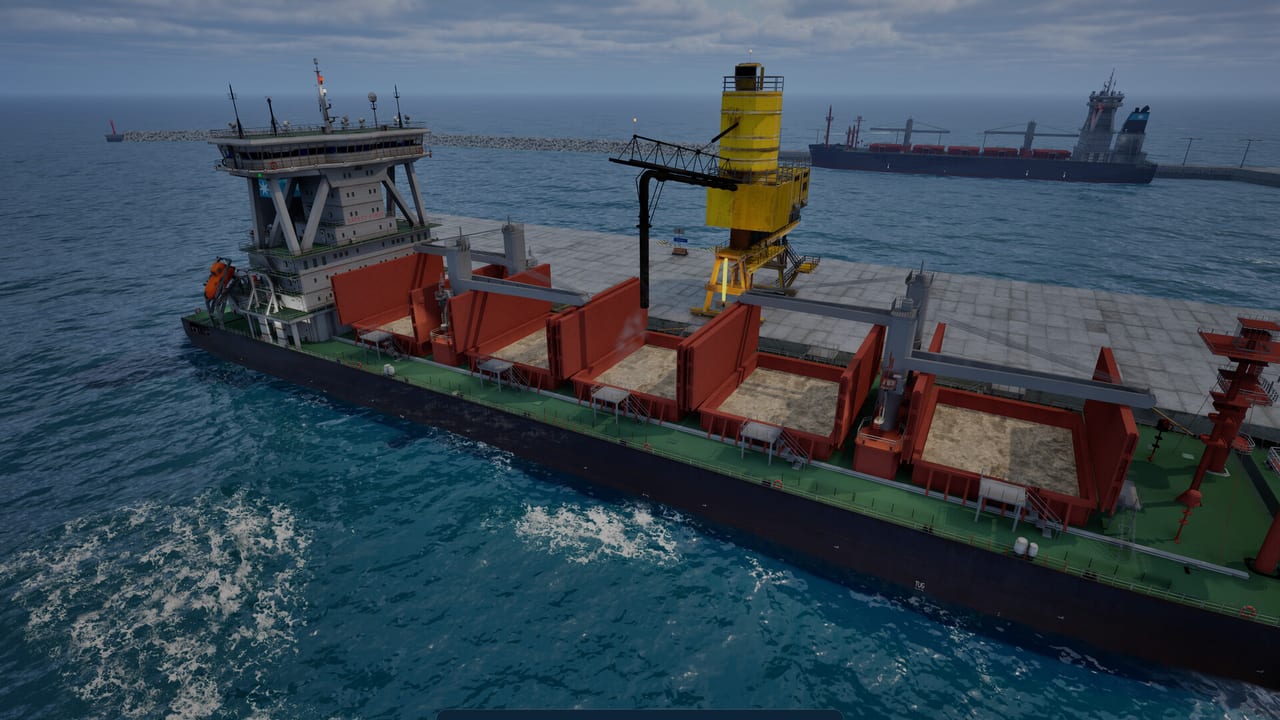
Professional Ship Simulator’s pitch is a custom hydro model, not an arcade boat on a heightmap. Steam names propeller torque, bank effect, wind and current drift, cargo-changed physics, hull damage, flooding, anchor behaviour, and mooring/tow lines that can part. The 1 September 2026 developer interview (embedded here) walks those systems with SWE Systems, plus AIS/CPA, career, and the delayed modding plan. Steam Early Access remains scheduled for 16 September 2026.
If you want procedures, use getting started and docking. This page is the why.
The forces that steal your heading
Propeller walk / wheel effect. The hull yaws as RPM and ahead/astern change, especially in astern on a single-screw merchant. Learn the sign for this ship. A tug and a bulker disagree.
Bank effect. Hydrodynamic suction toward a nearby wall, pier, or shoal. In a German canal or a lock approach the ship will walk sideways with a centred wheel. Counter early with a little opposite helm and a thruster nudge. A handful of RPM usually makes the kiss worse.
Wind and current. High freeboard (cruise, empty container) catches wind. Current adds set you will not see if you only watch the wake. Instruments and the weather page exist so you stop being surprised.
Cargo mass. Load changes draft, inertia, and stopping distance. The LNG cargo sliders in creator missions are not cosmetics. A light departure and a heavy arrival are different ships — see commercial fleet.
Anchors and lines. Anchors do not pin the ship like a handbrake. Lines hold a stopped hull and can part under shock. Using a spring as an emergency brake is how you get a physics lesson and an XP penalty.
Damage. Hull damage and flooding are simulated. Bilge pumps and watertight doors buy time. Repairs and dry dock are the career answer, not a reload.
Instruments that match the model
Radar with AIS/CPA is how you judge whether that AI coaster is a problem. CPA is closest-point, not a suggestion. Sonar and echo sounder argue with the chart when the bank is real. RC 1717 improved radar, sonar, compass, autopilot, and issued a higher-resolution Rügen nautical chart. Autopilot heading-hold fights wind and current; it will not dodge a bank you aimed at. Notes in how to play.
NMEA out and GPX in/out talk to external plotters if you already own them. They do not replace the in-game chart (M).
How to practise without wrecking Career
Pick a beginner ship, a marked channel, and one variable at a time: only wind, only a close wall, only astern. Log what the bow did. Then take the same drill on a longer hull. RC 1717 also polished ship handling, docking, mooring, and tug interactions — the model is the product they are still tuning, which is why Early Access exists through about mid-2027.
Modding (custom harbors, ships, scenarios) is still not in the launch EA build. Do not wait for a workshop to learn bank effect. The two official boxes already have enough walls.
Frequently Asked Questions
Quick answers before you take the helm.
What is bank effect in this sim?
Suction toward a nearby wall or shoal. The hull drifts and yaws without helm. Counter early; adding speed usually makes contact worse.
Does cargo really change handling?
Yes. The physics model treats cargo mass as real. Draft, inertia, and stopping distance all move.
Will mods change physics on 16 September 2026?
No. Modding is planned after Early Access begins, not in the first EA build.
Where is the developer interview?
The 1 September 2026 Aerosoft interview is embedded on this page and linked from official Steam news.